





The Myers-Briggs Type Indicator (MBTI) is a phychological personality test based on the theories of Carl Jung. The result of the test indicates how different types of people perceive the world and how they make decisions.
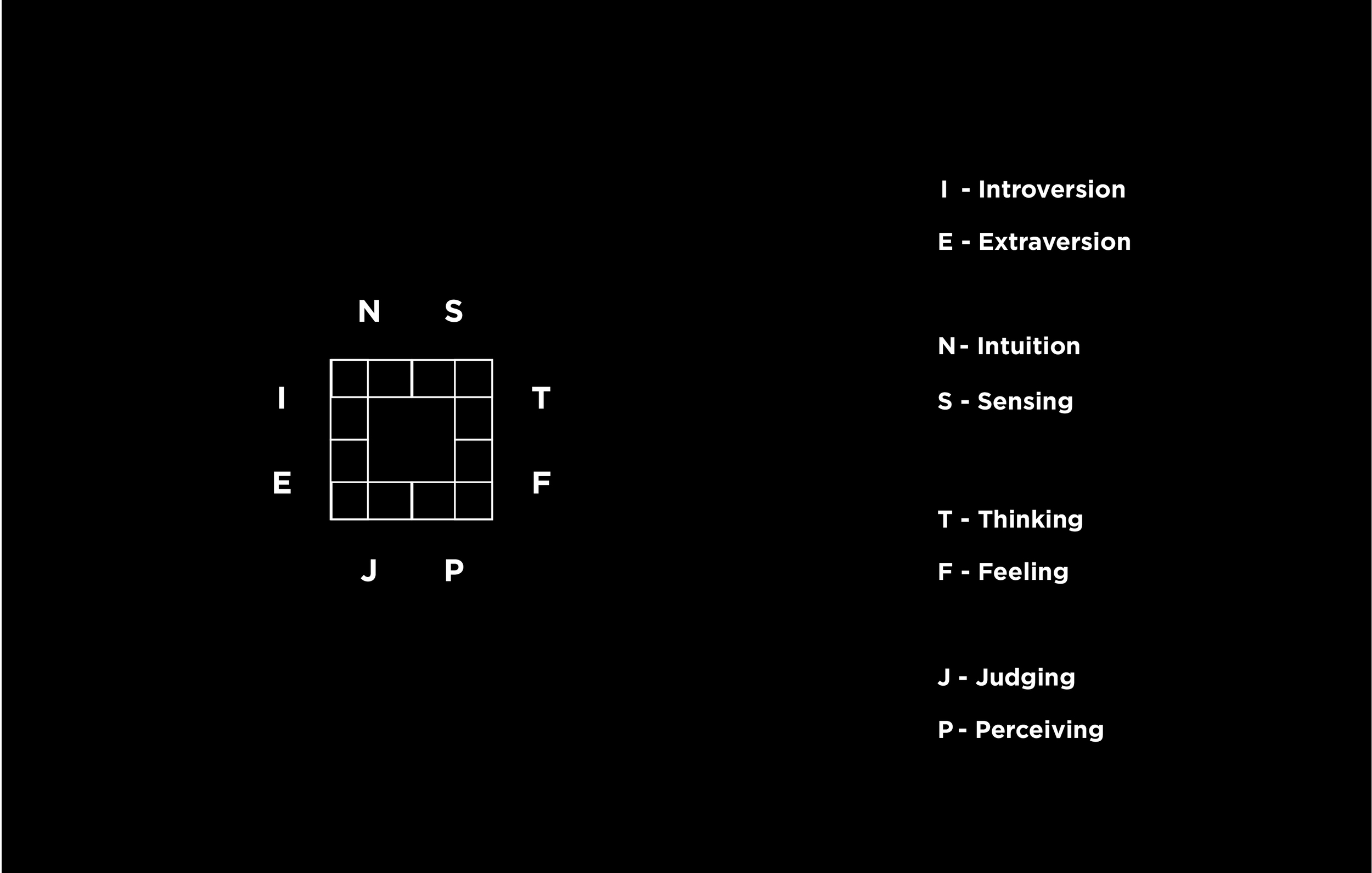
The MBTI test results in one of 16 different personality types comprised of 4 sections. A superior indicator is chosen for each section (Extroversion/Introversion, Intuition/Sensing, Thinking/Feeling, and Judging/Perceving) to formulate the individual’s personality type.
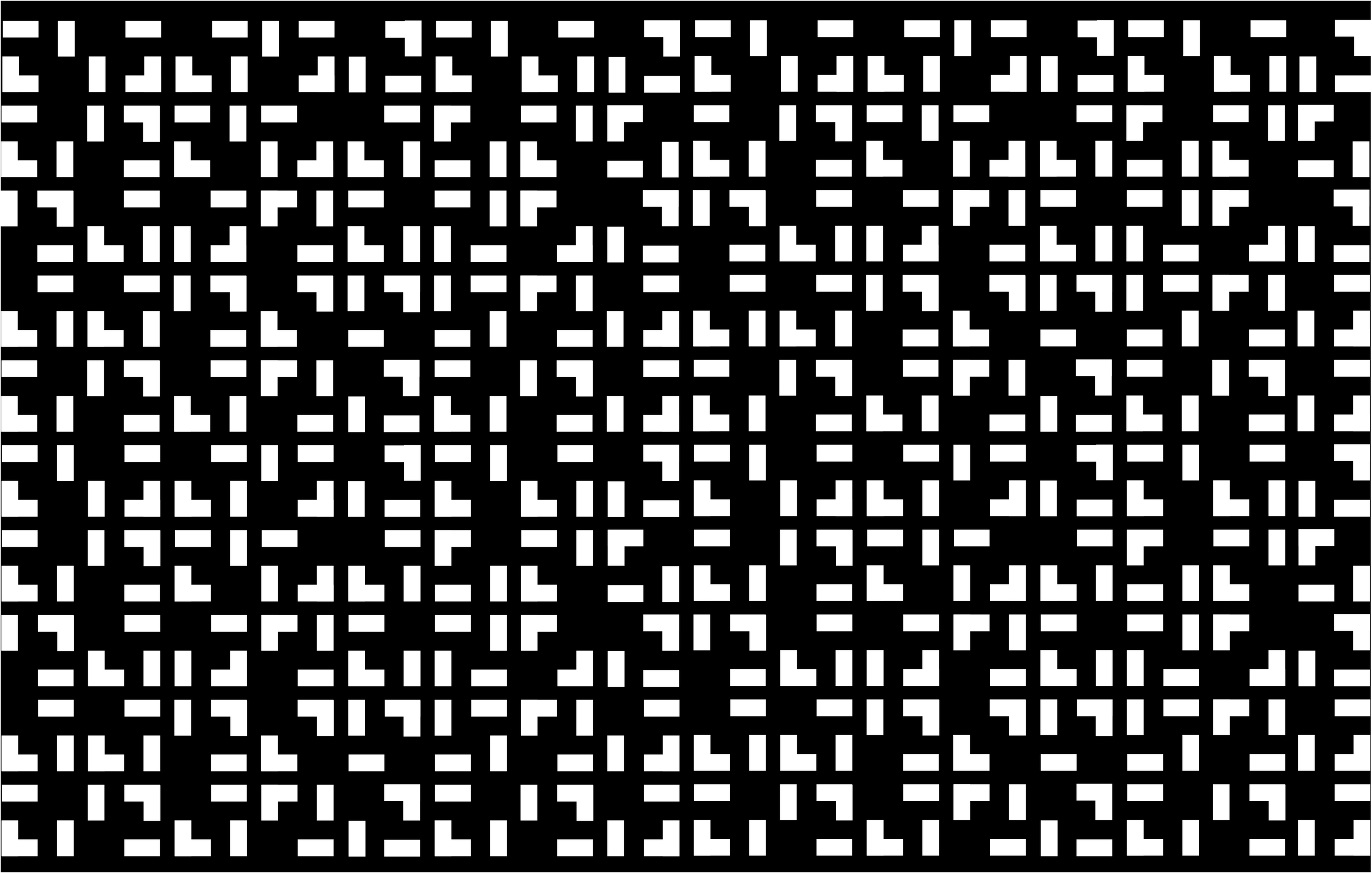
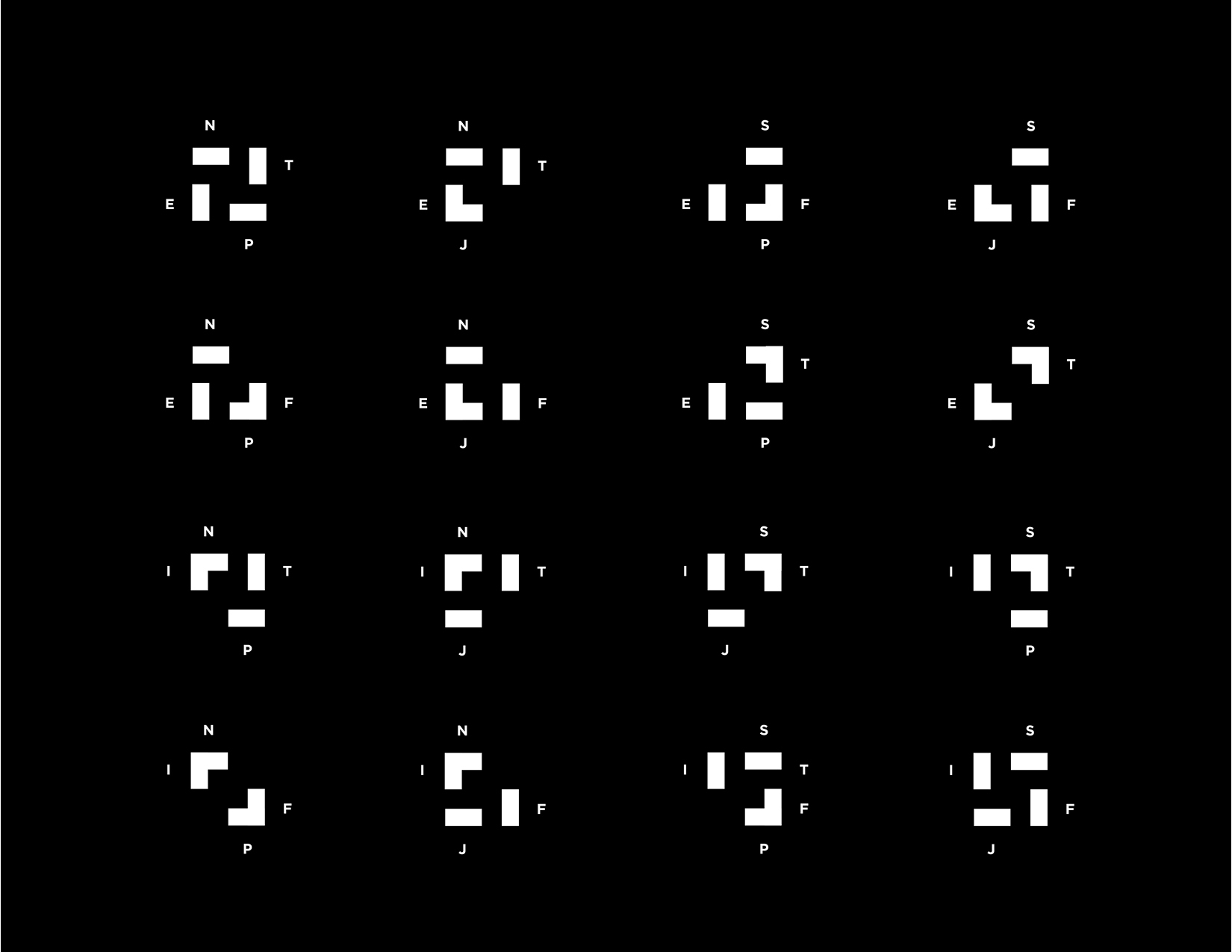
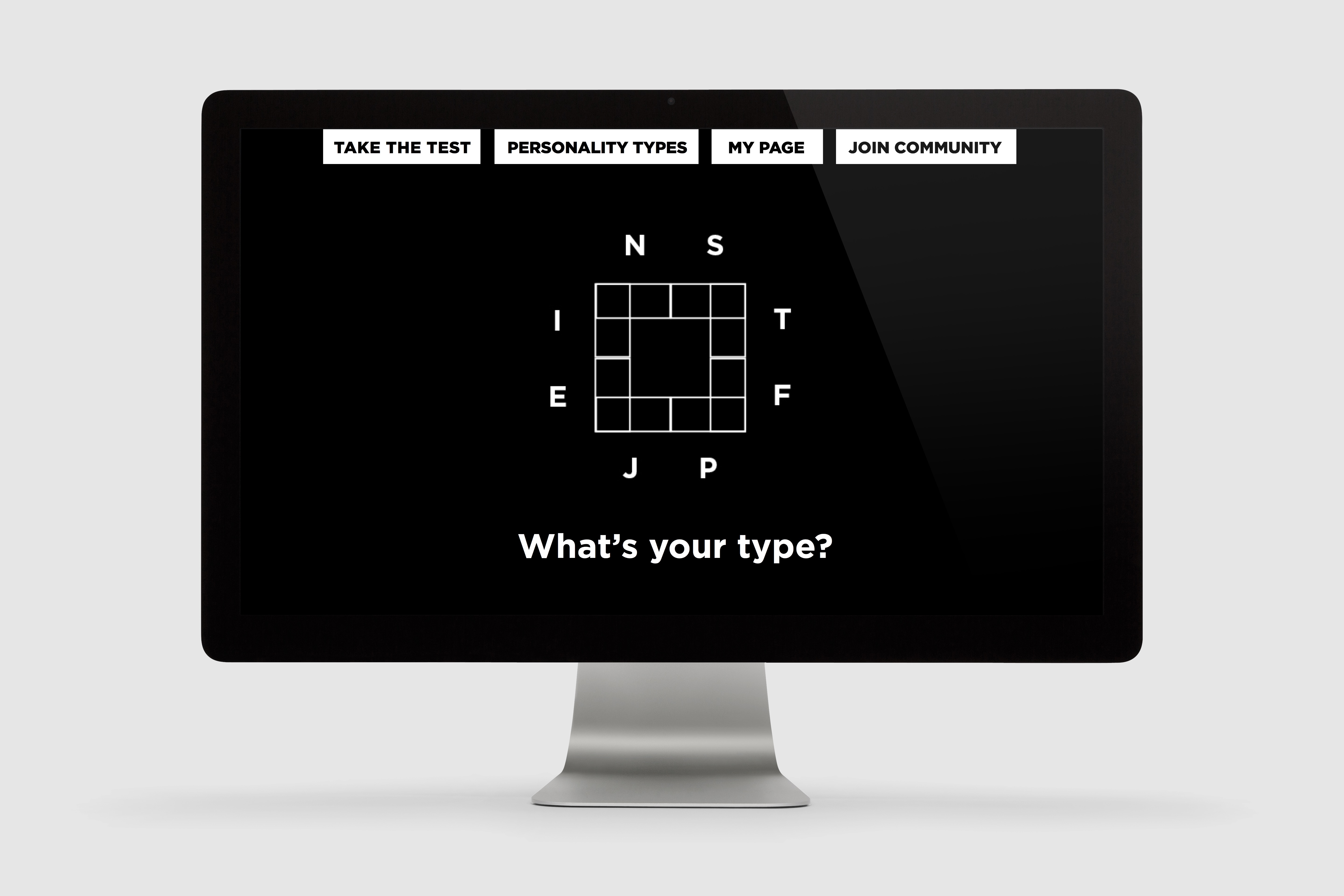
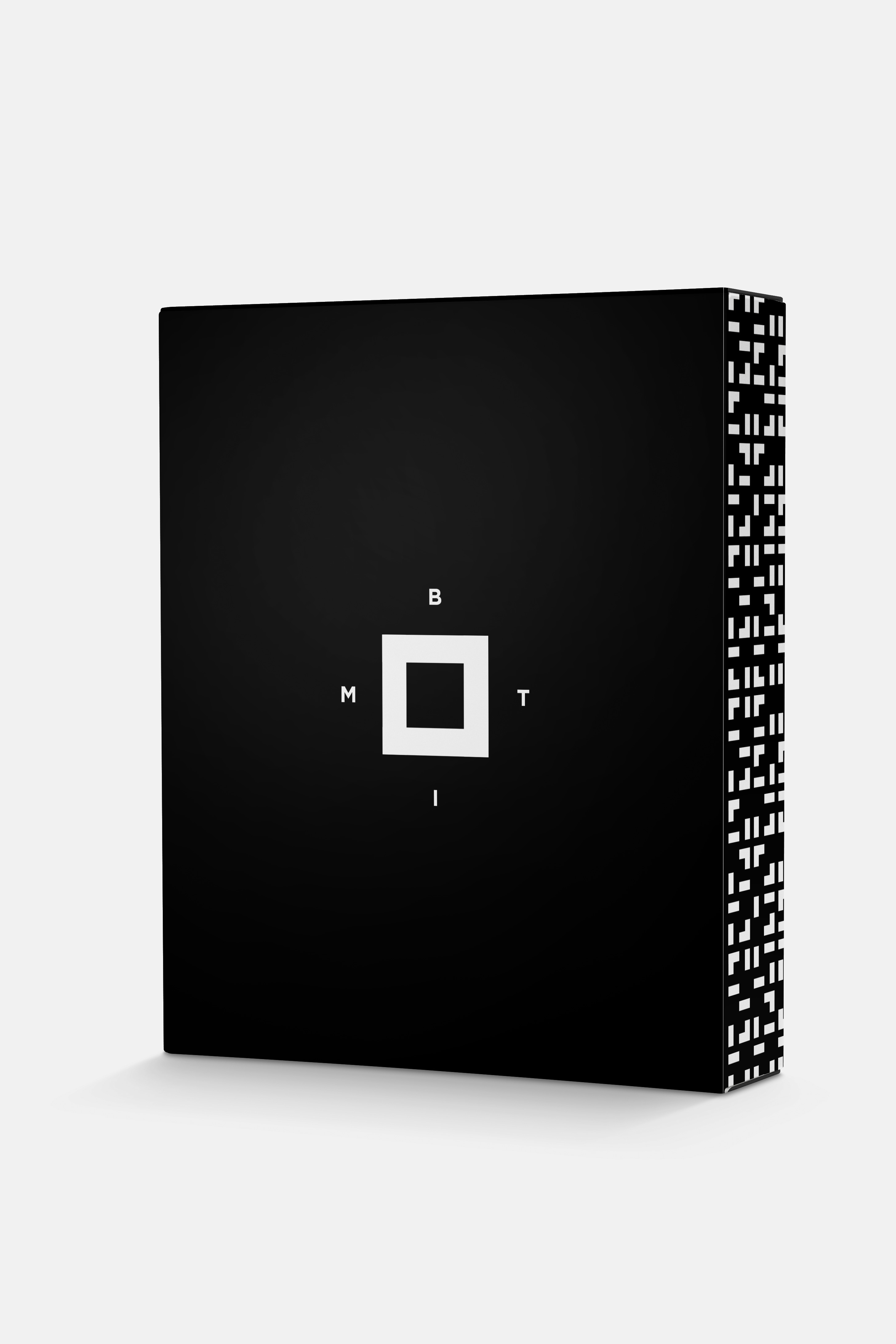
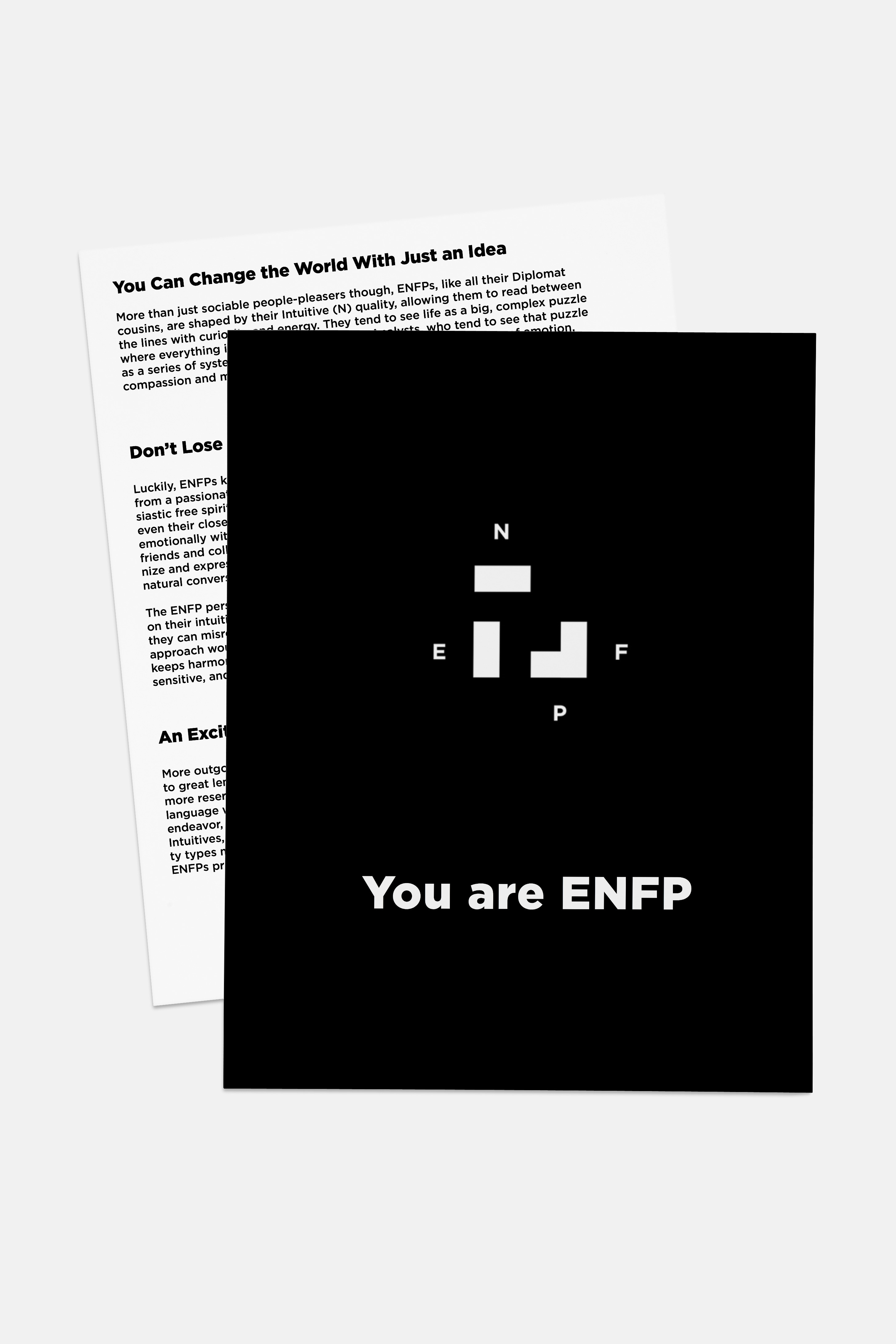
In order to visualize the complicated test result and simplify the structure of the system, a grid was used to create unique pattern for each personality type. As a visual language, similar, yet different patterns serve as unique representative symbols for each personality type of the MBTI system.
The MBTI test results in one of 16 different personality types comprised of 4 sections. A superior indicator is chosen for each section (Extroversion/Introversion, Intuition/Sensing, Thinking/Feeling, and Judging/Perceving) to formulate the individual’s personality type.
In order to visualize the complicated test result and simplify the structure of the system, a grid was used to create unique pattern for each personality type. As a visual language, similar, yet different patterns serve as unique representative symbols for each personality type of the MBTI system.